
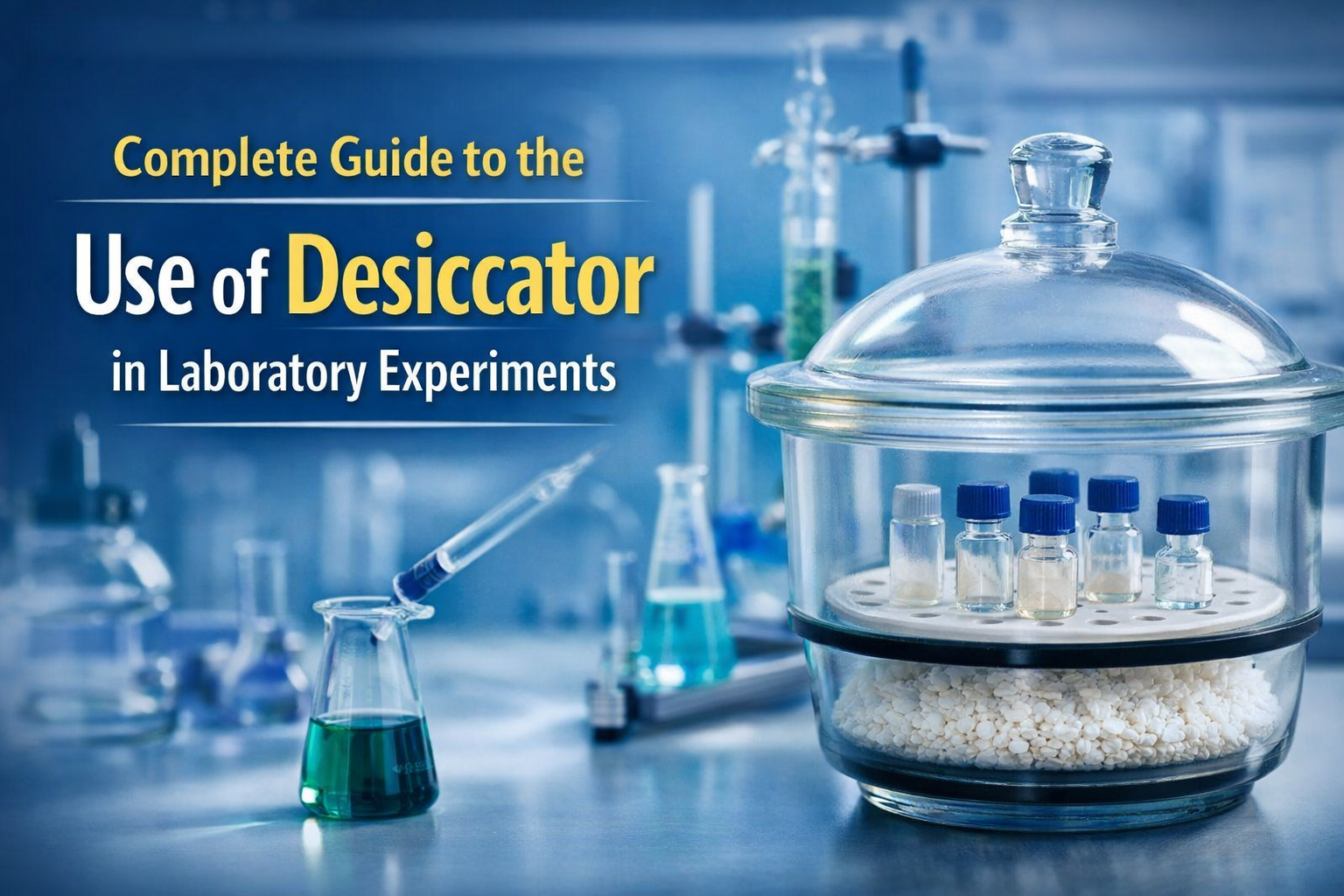
In each present day lab, dampness control does an important setting in making sure exact results and protecting sensitive products. Using desiccator in research laboratory settings is essential for protecting completely dry problems, maintaining chemicals, and guarding speculative honesty. From research study labs to organization checking out centers, desiccators remain to be just one of the most important garage tools.
At Glassment, a depended on laboratory device manufacturer in India, we comprehend how important reputable research laboratory glassware and device are for precision-pushed atmospheres.
What is a Desiccator?
A desiccator is a closed glass or plastic area developed to eliminate moisture from conserved materials. It typically lugs a desiccant consisting of silica gel, calcium chloride, or phosphorus pentoxide that takes in humidity from the air inside the chamber.
The number one use desiccator in laboratory paints is to:
- Dry chemical examples
- Shop hygroscopic substances
- Awesome heated crucibles before weighing
- Protect moisture-touchy compounds
- Without a desiccator, many lab experiments could generate defective or inconsistent consequences due to ecological dampness.
Why Wetness Control Issues
Dampness can especially change the weight, make-up, and stability of chemicals. For example, in analytical chemistry, even modest moisture can have an effect on measurements when the usage of a burette and pipette at some phase in volumetric analysis. Accuracy tools need solid problems to keep their calibration and reliability.
Similarly, whilst acting titration experiments, lots of university student ask, why is a burette made use of in titration? A burette is utilized due to the fact that it allows one-of-a-kind, handled transportation of fluid reagents. Nevertheless, if reagents absorb dampness from the air, focus stages might additionally trade– primary to incorrect titration repercussions. This highlights the importance of saving chemical compounds well making use of a desiccator.
Common Uses of Desiccator in Research laboratory
1. Cooling Warmed Equipment
After heating compounds in a heater or using a chemistry lab condenser, materials should certainly cool in a moisture-free setting. Positioning hot crucibles immediately in outdoors lets in them to absorb humidity, impacting weight dimensions. A desiccator guarantees they cool suitably without infection.
2. Dry Storage of Chemicals
Numerous lab reagents are hygroscopic, which indicates they soak up water from the community. The use of desiccator in laboratory garage prevents chemical destruction and continues purity.
3. Safeguarding Analytical Samples
Accurate logical experiments depend on solid samples. Whether running with chromatography approaches or volumetric analysis, moisture-free garage is essential.
Desiccator and Chromatography Applications
In chromatography labs, certain separation strategies rely on completely dry and stable products. Devices inclusive of a glass column for chromatography require to be managed very carefully to keep away from infection. Appropriate glass column design assurances clean solvent slide and accurate substance separation.
Before loading a chromatography column, adsorbents like silica gel are frequently dried and saved in a desiccator to stop moisture interference. This enhances splitting up effectiveness and typical examination reliability.
As a leading research laboratory system manufacturer in India, Glassment makes outstanding glass columns and laboratory garage system made for toughness and accuracy.
Connection with Condenser Lab Apparatus Uses
A condenser in laboratory arrangements is typically made use of in distillation and reflux methods. Understanding condenser research laboratory apparatus makes use of is important for chemistry experts. Condensers cool vapors into fluid form, permitting solvent healing and action control.
After purification, moisture-touchy distillates are typically saved in a desiccator to prevent climatic infection. This ensures item stability and exact analytical trying.
Types of Desiccators
There are basic types:
- Requirement (Non-vacuum) Desiccator– Utilized for essential dampness security.
- Vacuum Cleaner Desiccator– Allows air removal for faster and higher green drying out.
- Both kinds are broadly utilized in research establishments, pharmaceutical research laboratories, and chemical sectors.
- Benefits of Using Desiccator in Lab
- Protects against dampness infection
- Boosts accuracy in considering experiments
- Protects chemical balance
- Improves reproducibility of consequences
- Protects touchy laboratory compounds
- When mixed with precision equipment containing burette and pipette systems, chromatography columns, and condensers, desiccators make contributions to a completely handled lab atmosphere.
Selecting the Right Lab Tools
Selecting outstanding lab glassware and device is important for defense and accuracy. As a reputed research laboratory tool supplier in India, Glassment manages:
- Resilient desiccators
- Advanced glass column for chromatography solutions
- Reliable chemistry lab condenser styles
- Trustworthy burette and pipette frameworks
- Personalized glass column format alternatives
- Each product is manufactured with strict top-notch control needs to meet instructional, service, and studies laboratory requirements.
Conclusion
The use of desiccator in laboratory operations is essential for keeping pattern honesty, making sure exact measurements, and defensive moisture-touchy chemical compounds. Whether keeping up chromatography systems, titration strategies, or condenser in laboratory setups, dampness control can not be omitted.
From understanding why a burette is utilized in titration to grasping condenser lab tools makes use of, each experiment relies upon on reputable device and correct storage problems.
With leading class-great items from Glassment, laboratories can enjoy accuracy, strength, and lengthy-term performance in every scientific strategy.
No responses yet